

Passive Solar Design - Harnessing Nature for Comfort
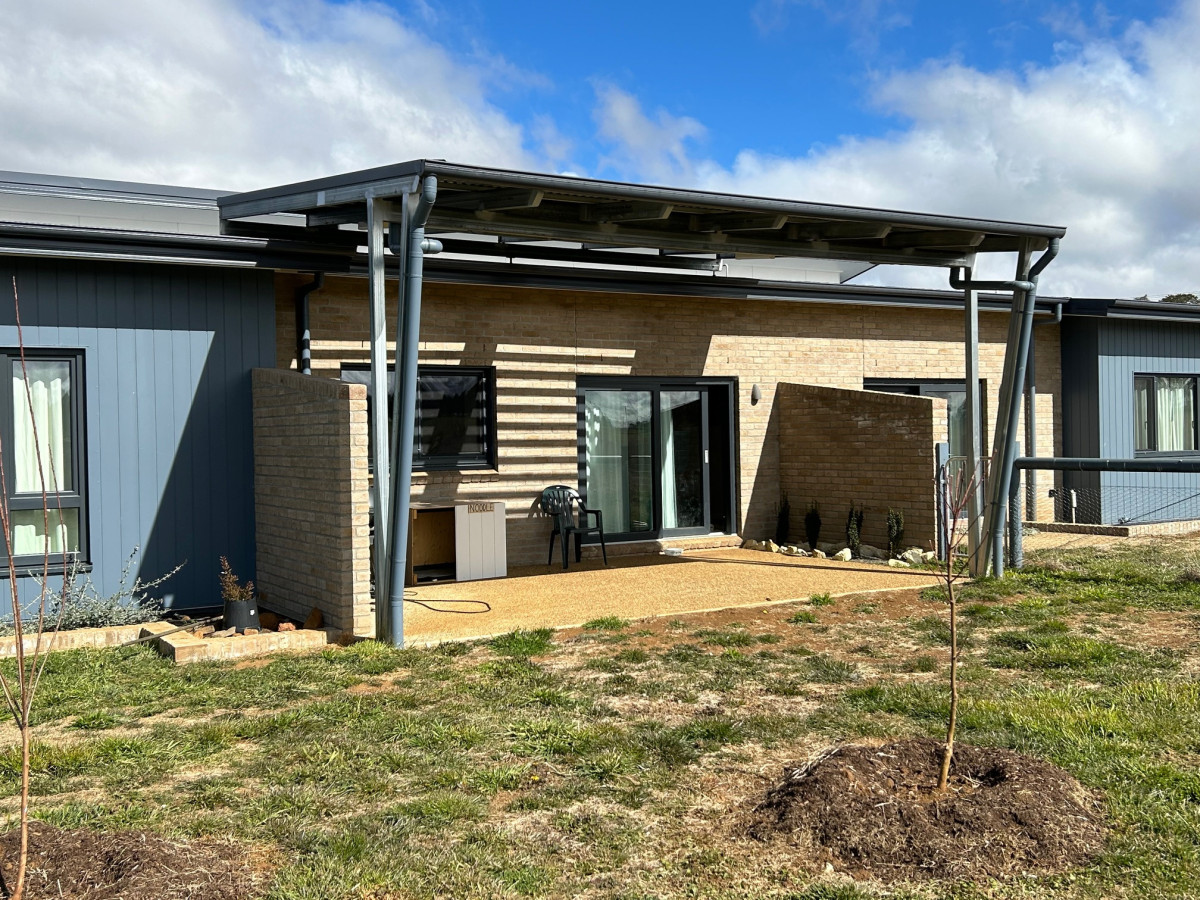
For decades, passive solar design has been the cornerstone of low-energy housing in Australia. It’s a simple yet powerful idea: design your home so it naturally balances sunlight, shade, wind and thermal mass to keep you comfortable year-round.
When done well, a passive solar home often needs little or no mechanical heating or cooling. The sun provides warmth in winter, shading and breezes bring relief in summer, and the house itself acts like a living system, breathing with the climate.
Key Principles of Passive Solar Design
-
Orientation – Positioning the home to capture winter sun and block summer sun.
-
Zoning – Locating rooms according to their heating and cooling needs.
-
Thermal mass – Using materials like concrete or brick to store and release heat.
-
Shading – Eaves, screens, or vegetation to protect from summer sun.
-
Insulation – Keeping heat in during winter and out during summer.
-
Ventilation – Harnessing breezes for cooling.
-
Glazing – Carefully sizing and placing windows to balance light and heat.
The Lived Experience
Passive homes are comfortable when both design and occupant behaviour work hand-in-hand. Windows may need to be opened at night to flush out heat or closed on hot days to keep heat out. As we like to say: “Passive homes require active users.”
For some, this connection with climate is a joy. For others, it can feel like extra effort.
Is Passive Solar Right for You?
If you value simplicity, love the feeling of open doors and windows, and don’t mind small seasonal variations in temperature, passive solar design may be your perfect fit. It’s a proven, elegant way to live lightly and comfortably.